

What Digital Signage Display Services Actually Deliver Today
Digital signage display services have moved far beyond simple screens playing looping images. Today they combine hardware, software, and cloud-based control systems to create flexible communication networks that can be updated instantly. Businesses use them to share messages, guide customers, and shape in-person experiences in ways static signage never could.
At the core, these services are about centralized control. Instead of manually updating posters or printed materials, organizations manage everything through a dashboard that pushes content to multiple screens at once. This shift has made communication faster, more consistent, and easier to scale across different environments.
Core Components That Power Modern Systems
A typical service includes screens, media players, and a content management system that ties everything together. The screens can range from simple wall displays to interactive kiosks that respond to touch or motion. Behind the scenes, software ensures that content is scheduled, updated, and delivered without interruption.
What makes the system powerful is its flexibility. Content can be scheduled by time of day, audience type, or location, allowing messages to feel more relevant. Many providers also include template libraries and app integrations, making it easier for teams to build professional visuals without needing advanced design skills.
How Content Management Platforms Drive Real Time Control
The heart of any modern signage system is the content management platform. This is where users upload media, organize playlists, and manage distribution across multiple screens. Instead of treating each screen as a separate unit, the system connects everything into a unified network.
This centralized approach reduces complexity and increases consistency. A brand can update hundreds of screens at once with a single action, ensuring messaging stays aligned across all locations. It also allows teams to respond quickly when information needs to change, such as promotions or announcements.
Scheduling and Automation Features That Reduce Manual Work
Automation plays a major role in making these systems efficient. Content can be pre-scheduled weeks in advance, then adjusted dynamically based on triggers like time, weather, or user behavior. This reduces the need for constant manual updates.
For example, a business might automatically switch from breakfast promotions to lunch messaging at a specific time each day. These small efficiencies add up, especially for organizations managing multiple locations. It helps ensure consistency while freeing up staff to focus on higher-value tasks.
Where Digital Signage Creates the Strongest Impact
One of the biggest advantages of digital signage display technology is its adaptability across industries. From retail spaces to corporate offices, these systems help communicate information in a more engaging way than traditional methods. The combination of visuals, motion, and timing makes messages more noticeable and memorable.
In customer-facing environments, digital screens influence decisions at the point of interaction. Whether it is guiding a purchase or providing information, the content can be adjusted instantly based on audience needs. This makes it a practical tool for both marketing and operational communication.
Customer Experience and Engagement in Physical Spaces
In physical environments, digital signage helps shape the overall experience. It can reduce perceived wait times, guide foot traffic, or highlight key offerings. When used effectively, it becomes part of the environment rather than just an advertising tool.
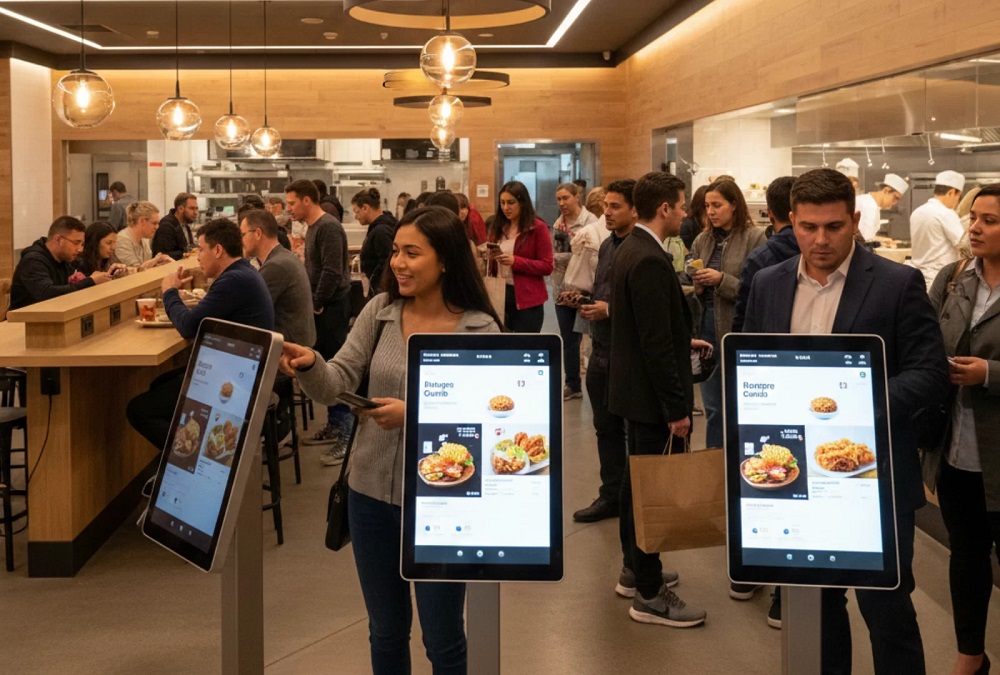
Interactive elements also play a role here. Touchscreens and kiosks allow users to explore information at their own pace, creating a more personalized experience. This kind of engagement often leads to higher satisfaction and better retention of information.
Data, Analytics, and Performance Insights Behind the Screens
Modern signage systems are no longer just about content delivery. They also generate valuable data about how audiences interact with messages. This includes engagement metrics, dwell time, and interaction rates, which help organizations understand what is working.
These insights allow for continuous improvement. Instead of guessing what content performs best, teams can rely on actual usage data to refine their messaging. Over time, this leads to more effective communication strategies and better return on investment.
How Analytics Help Refine Messaging Strategy
Analytics tools track how often content is viewed and how long it holds attention. This information can reveal patterns that might not be obvious at first glance. For example, certain visuals may perform better at specific times of day.
With this data, businesses can make informed adjustments rather than relying on assumptions. Content can be optimized for clarity, timing, and relevance. This creates a feedback loop where messaging becomes increasingly effective over time.
Choosing the Right Service Model for Long Term Use
Selecting a provider for digital signage is not just about hardware or software. It is about choosing a system that can grow with changing needs. Scalability, support, and ease of use are key factors that influence long-term success.
A well-designed platform should work across different environments without requiring constant technical intervention. This includes the ability to manage content remotely and integrate with existing tools. Reliability is also critical, especially for organizations that depend on consistent messaging.
Implementation and Integration Considerations
When implementing a system, integration with existing infrastructure is often a major consideration. Many platforms are designed to connect with scheduling tools, marketing systems, and internal communication platforms. This reduces friction during setup and daily use.
Training and onboarding also matter. Even the most advanced system is only effective if teams know how to use it properly. That is why many providers offer guided setup processes and ongoing support to ensure smooth adoption.
Why Scalable Communication Systems Matter More Than Ever
As organizations grow, communication becomes more complex. Managing consistent messaging across multiple locations or teams can quickly become challenging without the right tools. This is where scalable signage systems provide real value.
They allow businesses to expand without losing control over messaging quality or timing. Whether managing a handful of screens or thousands, the structure remains the same. This consistency is what makes large-scale deployment practical.
Flexibility Across Different Industries and Use Cases
Different industries use these systems in different ways, but the underlying principles remain consistent. A retail environment might focus on promotions and product visibility, while a corporate setting might prioritize internal communication. The system adapts to both without major changes.
This flexibility is what makes the technology widely adopted. It is not limited to one type of business or communication style. Instead, it serves as a foundation that can be customized based on specific goals and environments.
Final Thoughts on the Evolution of Digital Signage
The evolution of signage technology reflects a broader shift toward connected, data-driven communication. What once required physical updates and manual effort can now be managed instantly from a centralized system. This has changed how organizations think about in-person engagement.
As expectations continue to rise, tools like these will become even more important. The ability to deliver timely, relevant, and visually engaging content in real-world spaces is no longer optional for many industries. It is becoming a core part of how organizations communicate.
The future of this space will likely focus even more on personalization and automation. As systems become smarter, they will not only display content but also adapt it in real time based on audience behavior and context.