

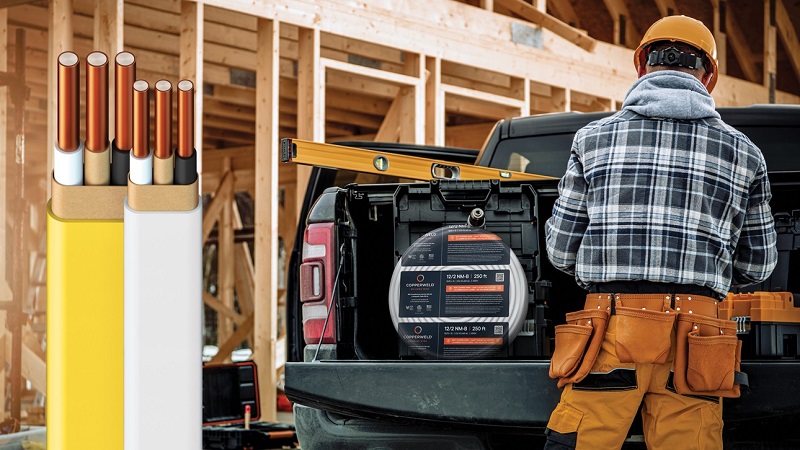
Arriving at a commercial project on a Monday morning to find cut perimeter chain link and forced trailer doors is a scenario every general contractor dreads. Inside the building shell, the scene is almost always worse: drywall kicked through, conduit ripped open, and hundreds of feet of newly installed electrical and plumbing rough-in violently stripped from the framing.
The market price of raw commodities rises and falls, but scrap copper consistently maintains a lucrative cash value. Combined with the steady demand for stolen cordless power tools, generators, and specialty equipment on unregulated digital marketplaces, unsecured commercial jobsites represent irresistible targets for both opportunistic scavengers and coordinated theft rings.
What makes early-stage commercial construction uniquely exposed is the absence of permanent protective infrastructure. Without structural exterior doors, permanent perimeter lighting, or hardwired security systems, sites often sit defenseless for months.
Preventing theft under these conditions requires looking beyond basic padlocks. Contractors must establish a defense-in-depth model that combines supply chain discipline, autonomous security technology, forensic property marking, and strict jobsite operating procedures.
The Asymmetry of Jobsite Theft
To build an effective defense, site managers must understand the economics driving the crime. The direct scrap value a thief pockets from a nighttime heist rarely represents more than a tiny fraction of the total damage inflicted on the project.
A crew of scavengers might tear apart a three-story commercial office building to extract eight hundred dollars worth of bare bright copper. Yet repairing the damaged distribution panels, reframing crushed drywall, replacing shredded wiring runs, and reinspecting the work can easily cost forty to fifty thousand dollars.
Beyond direct repair costs, contractors face the compounded pain of project delays, potential liquidated damages from owners, and soaring insurance deductibles.
Because thieves prioritize rapid entry, high liquidity, and minimal risk of confrontation, the goal of jobsite security is not to create an impenetrable fortress. The objective is to make access so complicated, time-consuming, and risky that thieves bypass your project in search of an easier target down the road.
Just-in-Time Material Delivery and Staging Discipline
The most reliable way to prevent copper theft is remarkably simple: eliminate bulk raw materials from the site until the exact moment of installation.
Many project managers fall into the trap of ordering full allocations of wiring spools, copper pipe, and brass fittings weeks in advance to capture volume discounts or hedge against supply chain hiccups. These pallets are routinely stashed in ground-floor staging areas or unlocked storage shipping containers, essentially functioning as an open invitation to local thieves.
Transition to a disciplined just-in-time delivery schedule. Coordinate directly with your regional electrical and plumbing supply houses to stage deliveries in phased increments that match immediate 48-hour installation targets.
Once rough-in wiring is pulled through conduit and terminated into panels, or sealed behind insulation and gypsum board, the labor required to remove it increases significantly. Whenever possible, energize temporary lighting and permanent subpanels early in the construction cycle. Clear signage warning that electrical runs are fully energized acts as a formidable psychological deterrent against scavengers armed with hand tools.
Equally critical is the management of construction scrap. The off-cuts and trimmed wire ends that accumulate during electrical rough-ins are valuable. Never let scrap metal sit in open roll-off dumpsters near the property line. Secure daily scrap in heavy-duty locked steel hoppers, and arrange for immediate transport off-site at the end of each workweek.
Hardening Storage and Perimeters Without Grid Power
Securing an active jobsite prior to permanent utility hookups requires temporary systems engineered for raw environments. Relying on standard residential padlocks and cheap chain-link gates provides nothing more than the illusion of safety.
Anchored Heavy-Duty Job Boxes
Portable gang boxes are standard equipment on commercial sites, but when left unanchored, two organized thieves can roll a wheeled box up a ramp and into the back of a truck in under two minutes.
To neutralize this tactic, drill directly into the structural concrete floor slab and use heavy wedge anchors or drop-in expansion shields to bolt gang boxes securely to the floor. Select storage boxes with fully recessed padlock housings that prevent bolt cutters, angle grinders, and pry bars from gaining physical purchase on the locking mechanism.
Solar-Powered Mobile Surveillance Units
Temporary security no longer requires running noisy diesel generators or paying high hourly rates for unmotivated overnight security guards. Deploy standalone solar mobile surveillance trailers equipped with high-capacity battery banks, high-definition thermal cameras, and cellular uplinks.
Position these units to monitor primary access gates and high-value staging zones. The key to their effectiveness is active deterrence. When an unauthorized individual crosses the thermal tripwire after hours, the unit immediately activates strobe lights, sounds an audible alert, and triggers an automated or live remote two-way voice talk-down warning the intruder that their description has been logged and law enforcement has been dispatched.
Strategic Illumination
Leaving an entire rough commercial parcel completely dark makes it easy for intruders to hide behind temporary structures. Conversely, blasting the entire lot with continuous floodlights simply provides intruders with free illumination to scout and strip your inventory.
Instead, install high-intensity, motion-activated LED lighting arrays around the inner working footprint. When an unexpected light triggers directly overhead as an intruder steps onto a concrete slab, the psychological shock typically forces an immediate retreat.
Devaluing Tools and Materials on the Secondary Market
Thieves target tools and raw copper because they can be converted into untraceable cash within hours. Stripping away that anonymity fundamentally ruins the trade.
-
Rotary Engraving and Hot Branding: Generic power tools are easily fenced at pawn shops, flea markets, and online classifieds. Use rotary engravers, laser etching, or hot-iron branding tools to melt the company name, tax ID, and phone number deeply into the tool’s plastic casing and battery packs. Surface paint or marker can be removed with solvents; deep physical engravings permanently ruin resale value.
-
Forensic and Visual Wire Marking: Before pulling grounding lines or heavy feeder cables, spray the jacketing or metal strands with vibrant, weather-resistant industrial identification dyes. In many jurisdictions, reputable scrap metal recycling facilities are legally mandated to log photo identification and reject or report industrial copper displaying commercial paint marks, burn marks, or chemical coatings.
-
Digital Ecosystem Tracking: Modern commercial tool platforms feature integrated Bluetooth and cellular tracking modules built directly into the housing of drills, saws, and generators. Fleet managers can track tool movement across job locations, log battery health, and critically, remotely disable the tool via software if it leaves the geofenced site boundary, rendering the equipment useless to the thief.
Operational Habits and Local Enforcement
Sophisticated technology fails if daily jobsite habits remain sloppy. A successful security strategy requires active participation from general superintendents and trade subcontractors alike.
Establish strict site access protocols. Funnel all vehicular and foot traffic through a single access gate, keeping all secondary perimeter gates padlocked with heavy hardened-steel chains throughout the day. Mandate that subcontractor personal vehicles park outside the interior working perimeter; this prevents compromised workers from loading company-owned spools and tools into personal trunks during afternoon cleanups.
Build an active relationship with your municipal police precinct or county sheriff’s department before ground breaks. File an official trespass authorization letter with local dispatch. This legal document grants patrolling officers full authority to enter the commercial property after operational hours and detain anyone found on site without needing to contact the property owner first.
Invite local patrol officers to use your jobsite parking lot for report writing during the overnight shift. The simple, periodic presence of a marked squad car parked under an exterior work light is often all it takes to convince local theft rings to cross your site off their target list.
Securing an unfinished commercial property is ultimately an exercise in removing opportunity. When you eliminate raw inventory stockpiles, anchor high-value equipment into structural slabs, deploy autonomous mobile monitoring, and destroy the secondary resale value of your gear, you safeguard your operational schedule. You protect your balance sheet from devastating losses and ensure that your project moves from groundbreaking to ribbon-cutting without costly delays.