

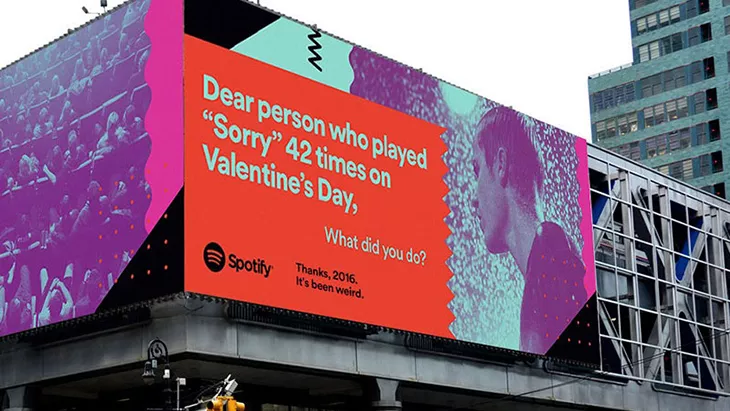
Every single day, the average person encounters thousands of marketing messages. From sponsored posts scrolling on smartphone screens to massive billboards along highways, the modern consumer is constantly bombarded with visual and text-based promotions. Because of this information overload, most traditional sales pitches are ignored immediately. Audiences have built up a natural defense mechanism against hard selling, technical specifications, and aggressive promotional claims.
To break through this wall of consumer indifference, top brands turn to narrative communication. Storytelling in advertising is the practice of weaving a narrative around a brand, product, or service to build a deep emotional connection with the target audience. Instead of treating a commercial as a mere product demonstration, story-driven marketing frames the offer within a relatable human context. Understanding the mechanics of narrative advertising reveals why human beings are hardwired for stories and how businesses leverage this power to turn everyday shoppers into lifelong brand advocates.
The Neuroscience of Narrative Communication
Human beings have communicated through stories for thousands of years. Long before the written word or digital media existed, early societies passed down wisdom, warnings, and culture through narrative tradition. As a result, the human brain evolved to process narrative information far differently than raw data or simple factual lists.
When a person reads a list of product features, only the language-processing parts of the brain activate. These regions analyze word meanings and evaluate logic, which often triggers skepticism. However, when that same person hears a compelling story, a phenomenon known as neural coupling occurs. Multiple areas of the brain light up simultaneously, including the sensory cortex, motor cortex, and emotional centers.
Narratives also stimulate the release of specific chemical messengers in the brain:
-
Oxytocin: Known as the empathy hormone, oxytocin is released when people experience trust, kindness, or relatable human emotion in a narrative.
-
Dopamine: This feel-good neurotransmitter is triggered during suspenseful or emotionally rewarding plot twists, which aids memory retention.
-
Cortisol: Released during moments of tension or conflict in a story, cortisol sharpens focus and keeps the audience pay attention to what happens next.
Because stories trigger these emotional and physiological responses, consumers do not just process an ad passively; they feel it. That emotional engagement builds trust and makes the underlying message significantly easier to remember over time.
Key Structural Components of an Effective Ad Narrative
A commercial story does not need to be a full-length movie or a multi-chapter book to be effective. In fact, some of the most powerful ad stories unfold in a thirty-second video, a single image, or a short line of copy. Regardless of length, successful ad stories generally rely on a proven structural framework.
1. A Relatable Character
Every memorable story centers on a protagonist the audience can care about or identify with. In advertising, the character does not necessarily have to be a fictional personality or a celebrity. The protagonist can be an everyday customer facing a familiar daily frustration, an ambitious individual striving for a goal, or even an animated mascot representing human traits.
2. A Meaningful Conflict or Challenge
Without conflict, a story lacks tension and interest. The conflict represents the barrier standing between the hero and their ultimate goal. This could be an internal struggle like self-doubt, or an external obstacle like a hectic lifestyle, financial pressure, or an inefficient workplace routine. The key is to make the conflict authentic so the target demographic recognizes their own real-world struggles in the narrative.
3. The Resolution and Transformation
The resolution brings closure to the conflict. This is where the product or service naturally enters the narrative. Crucially, the product should rarely be framed as the hero of the story. Instead, the product acts as the mentor or the tool that empowers the central character to overcome their challenge. The real climax is the positive transformation the character undergoes after resolving their problem.
Why Storytelling Outperforms Traditional Feature-Driven Ads
Traditional advertising relies heavily on feature-benefit models. It assumes that consumers make purely rational decisions based on price points, product specifications, and logical comparisons. While functional information certainly has its place in the buying journey, psychology shows that emotion drives the vast majority of consumer choices, with logic used after the fact to justify the decision.
Building Emotional Brand Equity
Feature-driven ads are easy for competitors to copy. If a software company advertises a tool that is twenty percent faster than the competition, a rival firm can release an update next month to match or exceed that speed. Features are easily commoditized. Stories, on the other hand, build emotional brand equity. When a brand links its name to core values like courage, belonging, comfort, or creativity, competitors cannot easily steal that emotional identity.
Bypassing Ad Resistance
Modern consumers excel at tuning out sales messages. The moment a viewer senses that a video or article is trying to sell them something directly, their guard goes up. Storytelling bypasses this initial resistance because it engages the viewer as an audience member first and a buyer second. People love stories, so they willingly invest their time and attention in a well-crafted narrative.
Enhancing Information Retention
Data, figures, and technical specs are hard to remember in isolation. Studies consistently show that information embedded within a story is up to twenty times more memorable than facts presented alone. A customer might quickly forget the exact battery capacity of a device, but they will remember a heartwarming story about how that device kept a family connected across long distances during a crisis.
Iconic Examples of Story-Driven Advertising Campaigns
Examining famous ad campaigns reveals how top brands across different industries use narrative techniques to achieve phenomenal commercial success.
Nike: Empowering Everyday Ambition
Nike rarely focuses its marketing campaigns on shoe stitching, rubber soles, or manufacturing technology. Instead, the brand tells stories of personal struggle, discipline, and perseverance. By focusing on everyday athletes and famous figures who overcome self-doubt and physical limitations, Nike positions its brand as the ultimate companion for anyone striving to push past their personal boundaries. The customer becomes the hero, and the swoosh becomes a symbol of personal empowerment.
Dove: Redefining Industry Standards
For decades, beauty and personal care advertising relied on unrealistic body standards and perfectionist imagery to sell products. Dove took a radically different narrative path with its long-running Real Beauty campaign. By sharing authentic stories from real women of all ages, shapes, and backgrounds, Dove shifted the conversation toward self-acceptance and natural beauty. The brand positioned itself as an ally against narrow societal pressures, fostering extraordinary loyalty among its audience.
Apple: Celebrating the Rebels and Innovators
When Apple launched its historic Think Different campaign, it did not list computer RAM, processor speeds, or hard drive capacity. Instead, the campaign paid tribute to historical visionaries who challenged the status quo. The story told viewers that buying an Apple product was not just a tech purchase; it was a statement that you, too, were an innovative thinker capable of changing the world.
Strategic Steps for Crafting a Story-Driven Campaign
Creating a narrative ad campaign requires strategic planning, empathy, and a deep understanding of your audience. Here is a step-by-step roadmap for building effective narrative ads:
-
Identify Core Audience Values: Research your target market to understand what they care about, what stresses them out, and what aspirations drive them forward.
-
Determine the Underlying Moral: Decide what ultimate message your brand stands for in this campaign, such as sustainability, resilience, simplicity, or joy.
-
Cast the Right Protagonist: Select characters that directly reflect your target demographic or embody the qualities your audience respects.
-
Introduce Real Tension: Do not skip the struggle. A story without authentic challenge feels fake, corporate, and forgettable.
-
Keep the Product in a Supporting Role: Allow the product to serve as the key that unlocks the solution, rather than making the entire ad about the product itself.
-
Maintain Platform Consistency: Adapt your core narrative to fit the media format where it appears, from short-form social videos to long-form blog posts and print media.
Frequently Asked Questions
What is narrative storytelling in advertising?
Narrative storytelling in advertising is a strategic marketing technique that uses traditional story structure—including characters, conflicts, and resolutions—to convey a brand message, build emotional bonds, and drive consumer action.
How does storytelling improve brand recall?
Storytelling improves brand recall by engaging multiple areas of the human brain through emotion and sensory details. Information presented as a narrative creates stronger neurological connections than isolated facts, making the message far easier to remember over long periods.
Can small businesses use storytelling in their ads?
Yes, small businesses can easily leverage storytelling. In fact, small businesses often have a natural advantage because they can share authentic founder stories, local community impact, and genuine behind-the-scenes moments that large corporations cannot easily match.
Is storytelling effective for B2B marketing?
Storytelling is extremely effective for business-to-business marketing. Although B2B decisions involve larger budgets and rational risk assessments, the decision-makers are still human beings who respond to stories about overcoming operational chaos, boosting team morale, and achieving long-term professional growth.
What is the biggest mistake brands make in story-driven ads?
The biggest mistake brands make is making the brand or product the hero of the story instead of the customer. When a company focuses entirely on how great its own product is, the ad loses its human connection and feels like a self-serving sales pitch.
How do marketers measure the success of a story-driven ad campaign?
Marketers measure story-driven campaigns through both quantitative and qualitative metrics. Common key performance indicators include engagement rates, video view duration, social shares, customer brand sentiment scores, direct brand search traffic, and long-term conversion metrics.